By Eric Salazar
November 25, 2026
Designing a yard around big trees, slopes, and natural rocks can feel tricky at first, yet those existing features are often the best parts of your property. Instead of clearing everything away and starting from scratch, working with what nature gave you saves money and creates a yard full of instant character. Mature trees offer cool shade in summer, natural boulders add timeless charm, and gentle hills make an outdoor space feel cozy. When you plan your layout carefully, every tree and curve becomes a helpful building block rather than an obstacle.
Smart yard planning is also one of the best ways to boost your home's curb appeal and market value. According to Better Homes and Gardens, simple landscaping can produce an impressive ROI of up to 200%. By learning a few practical tricks, any homeowner can turn an uneven or wooded lot into an inviting outdoor retreat. Let us walk through simple, consumer-friendly ways to protect your favorite trees, work with your yard's natural shape, and build a space your family will love every season.
1. Working With Your Natural Yard
Before you buy a single plant or bag of mulch, spend time walking your property to see how everything fits together. Notice where the sun shines brightest in the morning and which corners stay cool and shady all afternoon. Watch how rainwater flows across the grass during a storm so you know where puddles form or soil washes away. Testing your soil with a simple garden kit also tells you what nutrients your dirt needs. Understanding these basic details helps you pick the right plants so your yard stays healthy with less effort.
Slopes, hills, and existing trees are natural gifts when you shape your design around them instead of fighting against them. If your yard has a steep hill, building low stone terraces or planting deep-rooted native grasses keeps soil in place while adding visual interest. Always draw a quick map of your mature trees, big rocks, and utility lines before digging so nothing important gets damaged. Working alongside your yard's natural contours makes your landscaping look like it belongs there while preventing messy drainage headaches down the road.
2. Designing Gardens Around Mature Trees
Big, established trees are the centerpiece of a great yard, so keeping their roots safe should always be your top priority. Tree roots spread out much wider than the branches overhead and sit close to the soil surface where they drink water and breathe air. Avoid piling heavy dirt, thick concrete, or deep mounds of mulch right against a tree trunk, because doing so can suffocate the roots and cause rot. Instead, use hand tools rather than heavy machines when digging near trunks, and keep a wide buffer zone around your favorite shade trees.
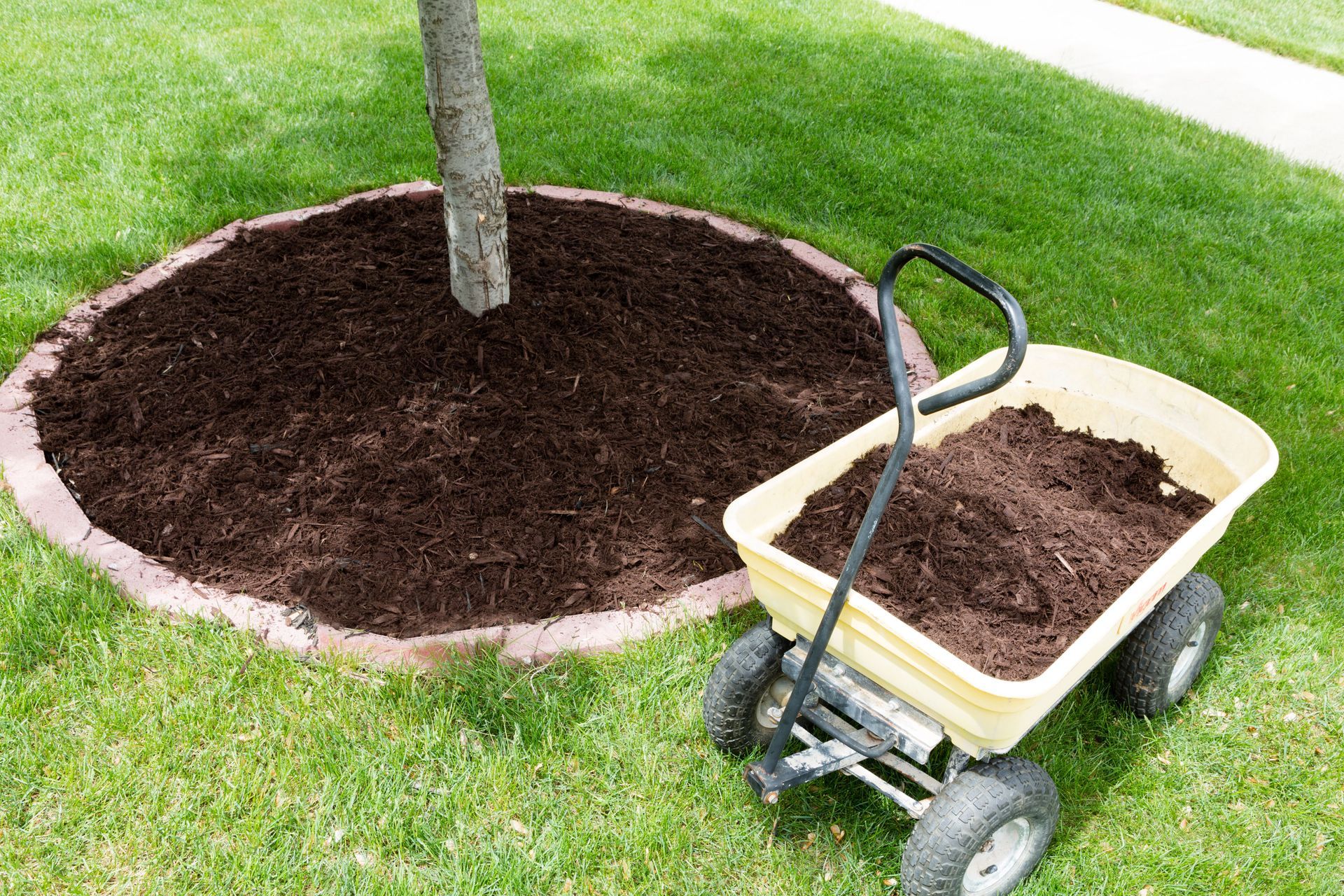
To make the area beneath your trees look lush and tidy, try creating soft tree islands filled with shade-loving plants. Low-growing ground covers, ferns, and hostas thrive under leafy canopies without stealing water or nutrients from tree roots. Adding a neat ring of organic wood mulch around your tree island landscaping holds in moisture, blocks weeds, and protects bark from lawn mower bumps. Giving dead or crossing branches a careful trim each year also lets more dappled sunlight reach your garden beds while keeping your trees strong during storms.
3. Choosing Sustainable Water and Plant Solutions
A beautiful yard should not require endless hours of watering or expensive monthly utility bills to stay green. Picking native plants and drought-tolerant flowers that already love your local weather makes yard care simple and affordable. Because native plants are naturally tough against local bugs and dry spells, they need far less water and fertilizer than thirsty exotic shrubs. Grouping plants with similar watering needs together also keeps your garden thriving without wasting a single drop on areas that stay naturally damp.
Adding simple water-saving habits makes your sustainable landscaping even easier to care for during hot summer months. Drip irrigation hoses deliver water slowly right to plant roots instead of spraying it into the hot air where it evaporates. You can also place rain barrels under roof downspouts to collect free rainwater for watering flower beds and potted plants. Using organic compost and shredded leaves enriches your soil naturally while keeping harsh chemicals away from pets, kids, and backyard birds.
4. Building Pathways Around Existing Features
Walkways connect different parts of your yard and guide family and guests smoothly from the back door to favorite seating spots. Instead of forcing a stiff, straight sidewalk through a hill or close to tree roots, let your path curve gently around existing features. Curved stone or gravel paths feel relaxed, invite people to explore your garden, and protect underground roots from heavy foot traffic. Choosing natural stepping stones or permeable pavers also lets rainwater soak straight into the ground instead of creating puddles.
Good pathways should be wide, sturdy, and easy for everyone in the family to walk on safely at any hour. Keep slopes gentle and choose flat, non-slip surfaces so kids, older relatives, and strollers can move around without tripping. Adding low solar path lights along the edges makes evening walks safe while casting a warm glow across trees and flower beds. Blending natural stone colors with existing rocks and bark creates a seamless look that ties your entire landscaping design together.
5. Creating Comfortable Outdoor Living Spaces
You do not need a huge, flat lawn to enjoy an amazing patio, deck, or backyard dining area. Building a raised wooden deck or a cozy flagstone patio around a shade tree gives you a cool, leafy roof for summer cookouts and morning coffee. Leave plenty of open space around the tree trunk so it has room to grow wider and sway naturally in the breeze. Placing weather-resistant chairs to face your prettiest garden views turns an ordinary corner of the yard into an outdoor living room.
Small seasonal touches help you use outdoor living spaces comfortably from early spring through late fall. A simple fire pit surrounded by gravel and sturdy chairs creates a warm gathering spot on chilly evenings, while a pergola or shade sail blocks afternoon glare. If you live in a dry area prone to wildfires, surround patios with stone pavers, gravel borders, and moisture-rich plants to keep your home safe. Thoughtful landscaping turns every square foot of your yard into a practical, relaxing extension of your home.
6. Solving Common Yard and Tree Challenges
Even the best-planned yards run into occasional challenges like soggy low spots, stubborn weeds, or aging branches. If rainwater collects in one corner of your yard, planting a small rain garden with water-loving native plants turns that wet spot into a colorful feature that filters runoff naturally. Keep an eye out for invasive vines or aggressive weeds that choke out young shrubs, and pull them early before they spread. Checking your trees each season for cracked limbs or signs of disease also helps you fix small problems before storms cause damage.
When you want extra privacy from neighboring houses without building a tall wall, layered rows of evergreen shrubs and ornamental grasses create a soft, living screen. Always check local neighborhood rules or city permits before removing large trees or building tall retaining walls so your project goes smoothly from start to finish. With steady care and smart planning, your yard will grow more beautiful and valuable every year. When you are ready to transform your outdoor space with expert design and care, reach out to Salazar Landscaping & Painting LLC today to bring your vision to life.