Creating an attractive outdoor space requires thoughtful planning, yet many property owners accidentally sabotage their yards through avoidable design and maintenance missteps. Even weekend projects can lead to dead plants, drainage troubles, or runaway maintenance expenses if basic horticultural rules are overlooked. Understanding common landscaping pitfalls helps you protect your curb appeal, conserve water, and avoid wasting money on premature replacements. By learning what goes wrong in residential yards—from improper tree placement to over-mulching—you can make smarter choices that keep your lawn, flower beds, and hardscapes healthy, balanced, and visually appealing throughout every season of the year.
1. Planting Trees Too Close to the House
Buying a cute sapling at a local garden center often leads homeowners to underestimate how massive that tree will become twenty years later. Placing fast-growing species right next to exterior walls, driveways, or rooflines invites serious structural headaches as trunks widen and branches spread. Invasive root systems can crack concrete walkways, lift patio pavers, and infiltrate underground sewer pipes, while overhanging limbs scrape shingles and clog gutters during storms. Always research a tree's mature height and canopy width before digging, leaving generous clearance so roots and branches have plenty of room to grow safely away from foundations.
2. Overlooking Poor Yard Drainage Patterns
Ignoring how rainwater moves across your property is one of the fastest ways to ruin expensive outdoor investments. Low spots where water pools after heavy downpours suffocate grass roots, drown ornamental shrubs, and create ideal breeding grounds for mosquitoes. Worse yet, soil graded toward your home directs runoff straight against basement walls, leading to dampness and foundation erosion. Observing water flow during a rainstorm helps you identify trouble zones early. Installing French drains, adding permeable pathways, or regrading slopes away from structures ensures excess moisture exits your yard smoothly without damaging plants or buildings.
3. Applying Too Much Mulch Around Tree Trunks
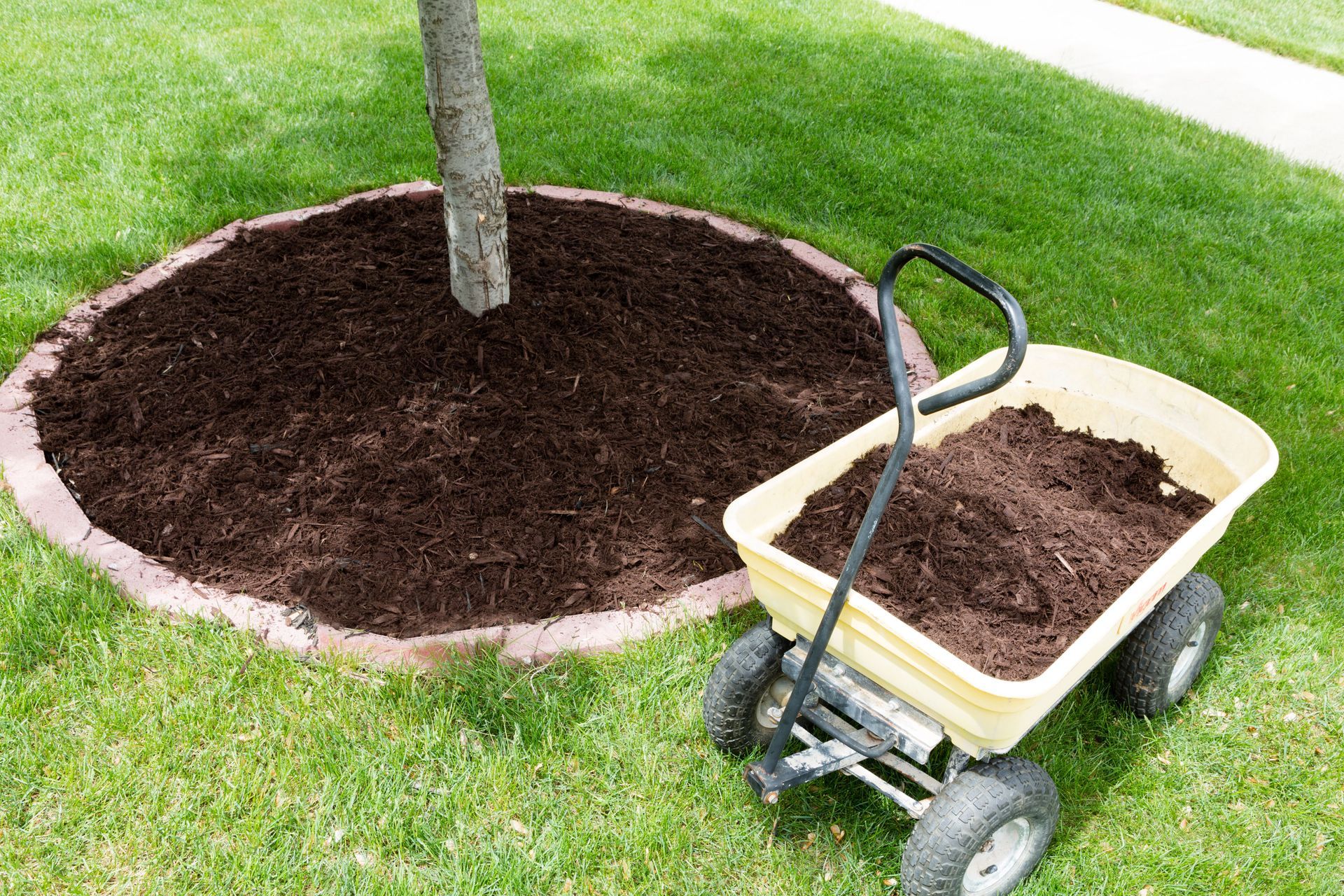
Piling thick mounds of wood chips directly against the base of trees—commonly called volcano mulching—traps excess moisture against sensitive bark. Over time, this damp environment promotes fungal rot, invites destructive boring insects, and encourages roots to circle upward and choke the trunk. Proper mulching requires spreading an even two-to-three-inch layer across the root zone while pulling material a few inches back from the trunk flare so bark stays dry and ventilated. Following this simple habit preserves soil moisture, suppresses weeds, and keeps shade trees healthy without inadvertently suffocating their vital lower stems.
4. Choosing Plants Without Checking Sunlight Needs
Falling in love with vibrant nursery blooms without reading their care tags frequently results in scorched leaves or leggy, flowerless stems. Every yard contains distinct microclimates ranging from blazing afternoon sun along south-facing walls to deep, cool shade beneath mature evergreens. Placing shade-loving hostas in full sun quickly bleaches and crisps their foliage, while sun-craving lavender or roses languish in dark corners. Tracking how many hours of direct sunlight each bed receives before shopping allows you to match every shrub, perennial, and groundcover to conditions where it will naturally thrive with minimal intervention.
5. Skipping Soil Testing Before Planting Beds
Assuming your native yard dirt automatically contains the right nutrients and pH balance sets new plantings up for sluggish growth. Construction fill, heavy clay, or sandy soil can lock up essential minerals even when you apply expensive fertilizers. Sending a simple soil sample to a local agricultural extension office reveals exact acidity levels and nutrient deficiencies within days. Amending beds with targeted organic compost, lime, or sulfur based on actual lab results creates a fertile root environment. Healthy soil builds resilient plants capable of resisting drought, pests, and seasonal temperature swings far better than untreated ground.
6. Mowing Grass Too Short During Hot Weather
Scalping your lawn down to the dirt in hopes of mowing less frequently actually weakens turfgrass and invites stubborn weeds. Grass blades act like tiny solar panels that feed the root system; cutting them too short starves roots and exposes soil to scorching summer heat. When soil bakes in direct sunlight, moisture evaporates rapidly, and dormant weed seeds germinate effortlessly. Setting your mower deck higher—typically around three to four inches for most cool-season grasses—shades the soil, encourages deeper root growth, and produces a lush, resilient lawn that naturally crowds out crabgrass and dandelions.
7. Neglecting Seasonal Maintenance and Pruning Schedules
Waiting until shrubs become wildly overgrown or weeds take over flower beds turns routine yard care into an exhausting weekend ordeal. Different woody plants set flower buds at specific times of the year, meaning pruning spring-blooming lilacs or azaleas in late autumn removes next season's blossoms entirely. Similarly, ignoring small weeds allows them to drop thousands of seeds across your landscaping beds. Establishing a simple monthly calendar for deadheading perennials, sharpening mower blades, clearing fallen leaves, and pruning at the right time keeps outdoor spaces neat and prevents minor upkeep from snowballing into costly restorations.
8. Installing Hardscapes Without Proper Base Preparation
Laying patio pavers, retaining walls, or stone walkways directly over uncompacted topsoil almost always leads to sinking, shifting, and uneven tripping hazards after the first freeze-thaw cycle. Hardscape materials require a properly excavated trench filled with compacted crushed gravel and a leveled layer of coarse bedding sand to distribute weight evenly and allow water drainage. Cutting corners on underground prep work might save a Saturday afternoon, yet rebuilding buckled stonework later costs far more time and money. Solid foundational engineering keeps outdoor living areas level, safe, and visually crisp for decades.
9. Crowding Young Shrubs in New Flower Beds
Spacing newly purchased perennials and shrubs too tightly together because beds look sparse on planting day creates severe overcrowding within two or three seasons. As plants mature and overlap, reduced air circulation traps humidity on leaves, sparking powdery mildew, black spot, and pest infestations. Neighboring roots also compete fiercely for water and nutrients, forcing you to divide or rip out healthy specimens prematurely. Checking mature spread measurements on plant labels and tolerating temporary gaps—filled in with annuals or mulch—gives every permanent plant room to breathe and showcase its natural shape.
10. Hiring Unvetted Contractors Without Clear Plans
Taking on major yard transformations without a cohesive blueprint or thorough contractor vetting frequently produces mismatched features and blown budgets. According to IBISWorld, there are 556,000 landscaping businesses in America. With so many providers operating across local markets, quality, licensing, and design expertise vary dramatically from one crew to the next. Rushing into agreements without reviewing portfolios, verifying insurance, or securing itemized written proposals leaves homeowners vulnerable to unfinished work or drainage errors. Taking time to compare qualified professionals and map out your property holistically ensures every dollar elevates both function and beauty.
11. Overwatering Lawns With Poorly Aimed Sprinklers
Running automatic irrigation systems daily without checking sprinkler heads wastes thousands of gallons of water while encouraging shallow, disease-prone turf roots. Misaligned nozzles frequently spray sidewalks, driveways, and wooden fences instead of thirsty grass, driving up utility bills and rotting exterior trim. Deep, infrequent watering early in the morning allows moisture to soak down into the root zone before midday sun evaporates it, minimizing fungal growth overnight. Inspecting sprinkler zones each spring to clear clogged nozzles and adjust spray patterns keeps your landscaping hydrated efficiently without unnecessary runoff.
Avoiding these common landscaping mistakes saves homeowners substantial money, time, and frustration while transforming outdoor spaces into lasting assets. By respecting mature plant sizes, prioritizing proper drainage, testing soil health, and maintaining consistent seasonal care, you create an environment where lawns and gardens flourish naturally. Whether you tackle weekend projects yourself or hire skilled professionals for complex installations, thoughtful planning always outperforms rushed guesswork. Start evaluating your yard with fresh eyes today, address small trouble spots early, and enjoy a healthier, more attractive landscape across every season of the year.
Are you seeking professional landscaping services in Cumberland and York, ME, and the surrounding areas? Salazar Landscaping & Painting LLC offers landscaping, painting, interior, and exterior services, and much more! Contact us today to schedule a service appointment.